
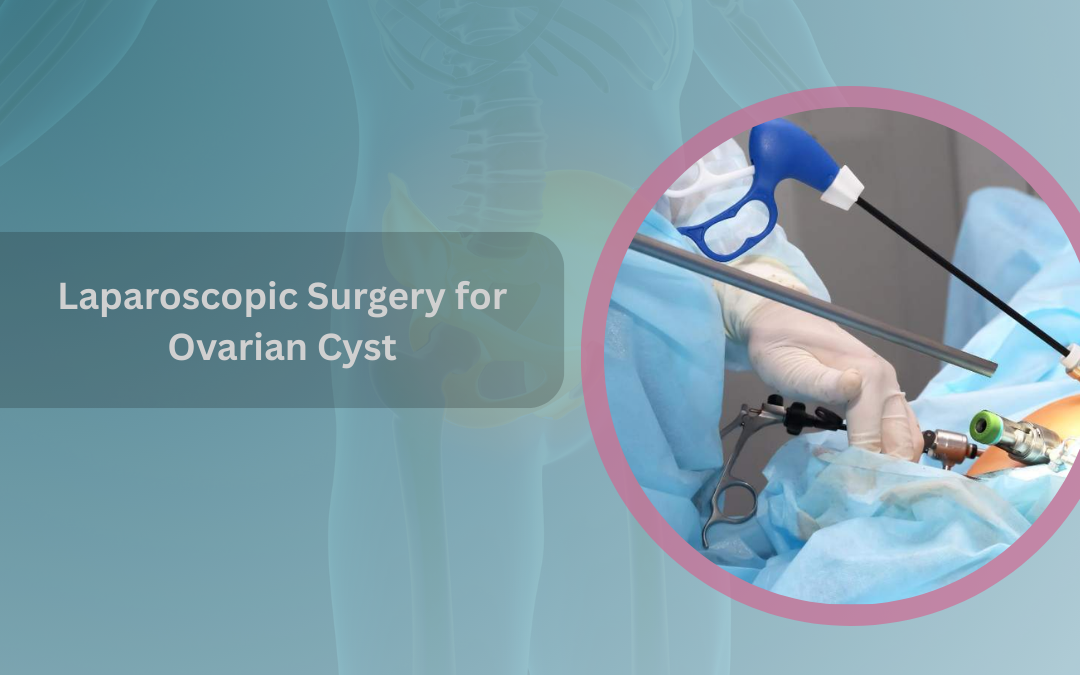
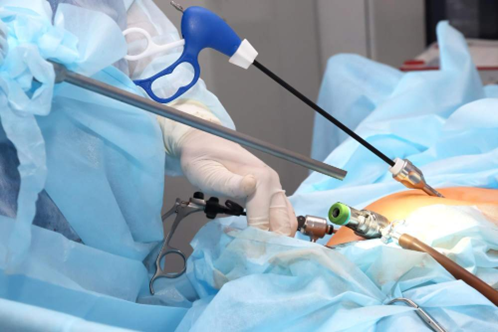
Ovarian cysts are fluid-filled sacs that develop on or inside the ovaries and are commonly seen in women during their reproductive years. In many cases, these cysts are harmless and resolve on their own. However, when a cyst grows larger, causes pain, or leads to complications, laparoscopic surgery for ovarian cyst becomes an effective and safe treatment option. This minimally invasive procedure allows a gynecologist to remove the cyst while preserving healthy ovarian tissue and ensuring faster recovery.
When Is Laparoscopic Surgery Needed for an Ovarian Cyst?
Not all ovarian cysts need surgery. Doctors usually monitor cysts with ultrasound and periodic checkups first. But surgery is often recommended when:
- The cyst is large or continues to grow
- Pain or discomfort doesn’t go away
- The cyst persists for several menstrual cycles
- The ultrasound shows unusual or complex features
- There’s concern about twisting (torsion) or bursting of the cyst
- There’s a risk of fertility issues
If you’ve been dealing with symptoms or your scans are showing changes, it’s best to see a gynecologist early. Timely treatment can make a big difference.
“Not every ovarian cyst needs surgery. When it does, our goal is to treat it safely while preserving ovarian health and helping women recover quickly and confidently.” — Dr. Himali Maniar, Gynecologist, Nisha Women’s Hospital
Book a consultation with an experienced gynecologist for ovarian cyst treatment today.
Benefits of Laparoscopic Ovarian Cyst Surgery
Laparoscopic surgery is known as a minimally invasive procedure. That means smaller cuts, less pain, and a faster return to daily life. At Nisha Women’s Hospital, this approach is used whenever possible because it brings several advantages:
- Tiny incisions that heal quickly
- Minimal scarring
- Less post-operative pain
- Shorter hospital stay
- Lower risk of infection
- Faster overall recovery
- Better chance of preserving fertility

Because of these benefits, many gynecologists prefer laparoscopic removal for eligible patients.
Recovery After Laparoscopic Ovarian Cyst Surgery
One of the biggest advantages of laparoscopic surgery is a quick, comfortable recovery. Most women go home within a day or two.
Here’s what you can expect:
- Mild discomfort and bloating for a few days
- Light activities can usually be resumed within 3–5 days
- Complete recovery often takes about 1–2 weeks
- Avoid heavy lifting or intense exercise until your doctor says it’s okay
- Follow-up visits help monitor healing and answer any questions
Taking it easy and following your doctor’s guidance makes healing smooth and stress-free.
Possible Risks and Complications
Laparoscopic surgery is generally safe, especially in experienced hands like at Nisha Women’s Hospital. Still, every surgery carries some risks. These might include:
- Mild bleeding
- Infection
- Injury to nearby tissues (rare)
- Reaction to anesthesia
- Chance of another cyst forming later
Most of these complications are uncommon, and careful surgical planning helps keep them to a minimum.
Conclusion
Laparoscopic surgery for ovarian cysts is one of the safest and most effective treatment options available today. It allows your doctor to remove the cyst, protect your reproductive health, and support a faster recovery.
If you are experiencing pain, discomfort, or have been told you have a persistent ovarian cyst, don’t wait. Consult a qualified gynecologist at Nisha Women’s Hospital to explore your options and get personalized care.
Frequently Asked Questions
1. Is laparoscopy a major surgery?
No. Laparoscopy is a minimally invasive technique with small incisions, less pain, and quicker recovery than traditional surgery.
2. How painful is the surgery?
Most women experience only mild to moderate discomfort that can be managed with medication. Pain typically improves within a few days.
3. How many stitches are needed?
Usually, 2–4 small incisions are made, each requiring just a few stitches. These scars are small and fade over time.
4. How many days of rest are needed?
Most patients rest at home for about 5–7 days. Normal daily activities can return gradually, guided by your doctor’s advice.
5. When can I plan a pregnancy after surgery?
Pregnancy is often possible after 2–3 months, once full healing is confirmed. Your gynecologist will advise the best timeline for you.