
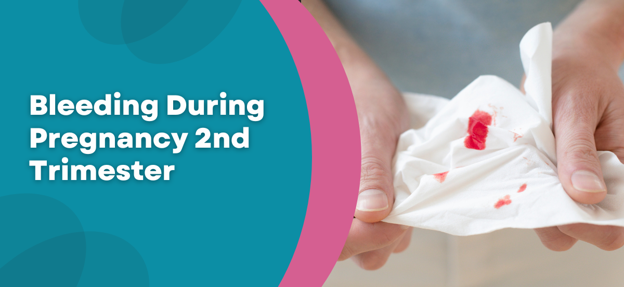
The second trimester is meant to be the easy stretch. The nausea backs off, the energy returns. So spotting blood somewhere between weeks 13 and 27 can feel like the floor drops out. First thing to know: it happens in roughly 1 in 10 pregnancies, and plenty of it turns out harmless. But second-trimester bleeding doesn’t behave like early spotting. By now the placenta and cervix are doing the heavy work, and that’s where most of the blood comes from. Some causes are nothing.
According to Dr. Himali Maniar, a leading Gynecologist in Bopal, “most second-trimester bleeding has a clear cause once you scan for it, but the mistake women make is waiting at home to see if it stops. The same-day check is what changes the outcome.”
Noticing bleeding and not sure if it can wait until morning?
What Causes Bleeding During the Second Trimester and Who Is at Risk?
Most of it traces back to the placenta. That’s the organ feeding your baby, and when it sits wrong or starts to separate, bleeding follows.
- Placenta previa: the placenta lies low and covers part or all of the cervix. It usually shows up as bright red bleeding with no pain at all, which is exactly why it startles people. Often it’s caught on a routine anatomy scan before it ever causes trouble.
- Placental abruption: the placenta peels away from the uterine wall too early. This one usually hurts, bringing cramping, a firm tender belly, and bleeding all at once. It needs urgent care
- Cervical irritation. The cervix turns softer and more vascular in pregnancy, so it bleeds easily. Intercourse, an internal exam, or an infection can leave it tender enough to spot afterwards. Light, brief, and usually no cause for panic.
- Subchorionic hematoma: a pocket of blood collects between the uterine wall and the membrane. A lot of these reabsorb quietly on their own with nothing more than monitoring.
- Some women carry more risk: a previous C-section or uterine surgery, a placenta that’s already sitting low, carrying twins, or a history of bleeding earlier in the pregnancy.
Not every cause is an emergency, but you genuinely cannot tell them apart by how the blood looks. That’s why a proper high-risk pregnancy obstetrician is where safe management really starts.
What Are the Symptoms That May Accompany Second-Trimester Bleeding?
- The bleeding itself varies a lot. Bright red or brown, light spotting or a heavier flow, a one-off or something that keeps coming back. Each version means something different.
- Cramping or pelvic pressure: a tightening, band-like feeling across the lower belly can point to abruption or early contractions. Different from the mild stretching twinges most pregnancies bring.
- Lower back pain. A dull ache that won’t quit, sitting low in the back, sometimes signals an irritated or contracting uterus. Easy to dismiss, worth flagging.
- Watery discharge: a gush or trickle of clear fluid along with the blood may mean the membranes are involved. That changes the picture and needs a quick look.
- Dizziness, weakness, or a racing heart: these hint at more blood loss than what’s showing on the pad. Your body reacts internally before you ever see the full amount.
One thing helps more than anything else here. Note when it started, how fast a pad fills, and what colour the blood is. Those three details speed up the whole diagnosis once you’re in the clinic.
What Are the Warning Signs That Require Immediate Medical Attention?
- Heavy bleeding that soaks a pad within an hour, or bleeding that comes with clots. Never something to monitor from the sofa.
- Severe, sharp abdominal pain that doesn’t ease when you lie down. Constant, intense pain alongside blood is a red flag for abruption.
- Fainting, blurred vision, or cold clammy skin. Your body is losing blood faster than it can keep up. This is emergency territory.
- A drop or stop in fetal movement after the point you’ve been feeling regular kicks. Reduced movement plus bleeding always means call now.
If any of these show up, don’t wait for it to see if it passes. Breathlessness, soaking bleeding, severe pain, or a baby that’s gone quiet? Call your hospital or come straight in. With placental problems, the early hours genuinely matter.
What mothers tend to remember is the steady guidance. Every checkup ends with plain, usable advice on diet, movement, breathing, and the warning signs to watch. No vague reassurance. Just a real plan.
How Is Second-Trimester Bleeding Managed and Treated Based on the Cause?
The right treatment depends entirely on what’s behind it, which is why diagnosis comes first. An ultrasound and a few blood tests can usually pin down the source in a single visit.
- Mild spotting or cervical irritation: often just pelvic rest, avoiding sex for a while, and a follow-up scan to confirm it’s settling. Many resolve with no intervention at all.
- Placenta previa: monitoring, activity restrictions, and sometimes admission if the bleeding is significant, so the team can move quickly if it picks up.
- When early delivery becomes a real possibility: a course of steroid injections helps mature the baby’s lungs in advance. A precaution that buys safety.
- Severe abruption or uncontrolled bleeding: delivery may be the only safe option for mother and baby, even earlier than anyone hoped.
The reassuring part? Many causes are perfectly manageable when caught early, and plenty of pregnancies carry on to term after a scare. The thing you don’t want to do is sit at home wondering. Come in early and more options stay open.
Management and Treatment Based on the Underlying Cause
- The right treatment depends entirely on what’s behind it, which is why diagnosis comes first. An ultrasound and a few blood tests can usually pin down the source in a single visit.
- Mild spotting or cervical irritation: often just pelvic rest, avoiding sex for a while, and a follow-up scan to confirm it’s settling. Many resolve with no intervention at all.
- Placenta previa: monitoring, activity restrictions, and sometimes admission if the bleeding is significant, so the team can move quickly if it picks up.
- When early delivery becomes a real possibility: a course of steroid injections helps mature the baby’s lungs in advance. A precaution that buys safety.
- Severe abruption or uncontrolled bleeding: delivery may be the only safe option for mother and baby, even earlier than anyone hoped.
The reassuring part? Many causes are perfectly manageable when caught early, and plenty of pregnancies carry on to term after a scare. The thing you don’t want to do is sit at home wondering. Come in early and more options stay open.
Frequently Asked Questions
Is light spotting in the second trimester always dangerous?
Often it’s harmless, especially after sex or an exam. But it still needs a same-day check to rule out a placental cause, because you can’t tell the difference at home.
Can sex cause bleeding during the second trimester?
Yes. The cervix is softer and more vascular in pregnancy, so intercourse can irritate it and cause light spotting afterwards. It usually settles quickly, though it’s still worth mentioning to your doctor.
Does second-trimester bleeding always mean miscarriage?
No. Many causes are completely treatable and the pregnancy continues safely with proper care. Bleeding is a signal to get checked, not an automatic sign that something has gone wrong.
How soon should I see a doctor for bleeding?
Contact your gynecologist the same day. If the bleeding is heavy, comes with severe pain, or your baby’s movements drop, don’t wait at all. Go straight in.