
Pregnancy is one of the most important phases in a woman’s life, and taking care of your health becomes more crucial than ever. Among the many conditions that can affect pregnancy, anemia is one of the most common and often underestimated.
Many women think feeling tired or weak is just part of being pregnant. But sometimes, it could be your body signaling something more serious. This is why regular check-ups with a qualified gynecologist are important, as early signs of anemia can often go unnoticed. When left untreated, anemia can lead to complications that may affect both the mother and the baby, and even turn your pregnancy into a challenging one.
High-Risk Pregnancy: How Anemia Can Complicate It
When anemia becomes severe, it can push a normal pregnancy into the category of High-Risk Pregnancy. This means extra care, monitoring, and medical support are required throughout the journey.
Here are some of the major complications:
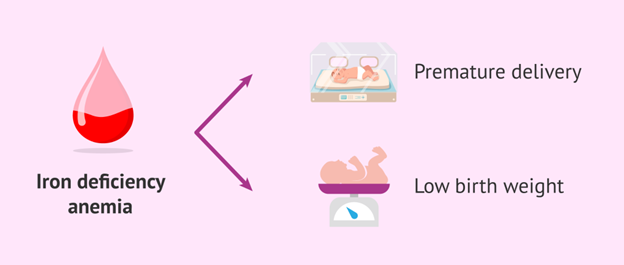
1. Preterm Delivery
Anemic mothers have a higher chance of delivering the baby before full term. Premature babies often need special medical care and may face developmental challenges early in life.
2. Low Birth Weight
When the baby doesn’t get enough oxygen and nutrients, growth can slow down. This can result in low birth weight, making the baby more vulnerable after birth.
3. Extreme Maternal Fatigue
Anemia can leave the mother feeling exhausted, dizzy, and weak. This affects not only daily life but also the ability to handle labor and delivery.
4. Increased Risk During Delivery
One of the biggest concerns is the body’s reduced ability to tolerate blood loss during childbirth. This increases the chances of complications during delivery.
6. Fetal Growth Problems
Reduced oxygen supply can affect the baby’s development inside the womb, sometimes leading to growth restrictions.
Signs You Should Pay Attention To
- Constant tiredness
- Shortness of breath
- Pale or dull skin
- Dizziness or headaches
- Rapid heartbeat
If you notice these signs, it’s always better to consult a qualified gynecologist early rather than waiting.
How to Prevent and Manage Anemia

The good news is that anemia can be managed effectively with simple steps:
- Include iron-rich foods like leafy greens, dates, jaggery, and legumes
- Take iron and folic acid supplements as prescribed
- Go for regular prenatal check-ups
- Monitor hemoglobin levels throughout pregnancy
Small, consistent efforts can make a big difference in your overall pregnancy health.
When to Consult a Gynecologist
Regular check-ups with an experienced gynecologist are essential during pregnancy. Early diagnosis and timely treatment can prevent most complications linked to anemia.
If your pregnancy is already categorized as high-risk, proper medical guidance becomes even more important to ensure the safety of both mother and baby.
Final Thoughts
Anemia in pregnancy is common, but it should never be ignored. What starts as mild weakness can gradually lead to serious complications if not addressed in time.
With proper care, regular monitoring, and guidance from a skilled gynecologist, even a High-Risk Pregnancy can be managed safely. The goal is always the same a healthy mother, a healthy baby, and a smooth delivery.